



Generative Artificial Intelligence (AI) started off as something not many people thought about regularly. Most people hadn’t even heard of generative AI until around 2022, following the release of easily accessible apps such as Dream by WOMBO, Midjourney, or DALL-E 2. Generative AI became especially more mainstream following the November 2022 release of Chat-GPT.
Early AI models such as these would produce images that didn’t make much sense, giving users a scrambled photo with maybe only a few things that were recognizable or coherent. People used these generators and put in silly prompts to create some confusing, possibly funny, outcomes.
As time passed, these models became exponentially more developed, able to produce better-quality images and text, and more and more people started using these generators, convinced that they were offering the ability to automatically generate “free art.” However, what most people forget is the fact that AI doesn’t just make these images from nowhere; they are trained off of real art from the internet. Any artist who put their work online became at risk of their art being stolen by AI, and regurgitated into an uncanny amalgamation of thousands of artworks.
Around three years later, the advancement in these models is scary. Even tech-savvy young people are having trouble telling the difference between real and AI-generated art—even AI-generated photographs are practically indistinguishable from real photos. Apps commonly used by artists such as Tumblr, DeviantArt and Pinterest have been flooded with an influx of AI generated slop with no human intent behind it.
AI slop is a term that refers to low quality digital content created by generative AI. This term is apt, as by reviewing these images, you can see the amount of effort and thought that… doesn’t go into them.
This issue has been getting increasingly more concerning, but has reached its absolute peak recently. In 2023, a short “film” was released by director and writer Chad Nelson, OpenAI’s “Creative Specialist.”
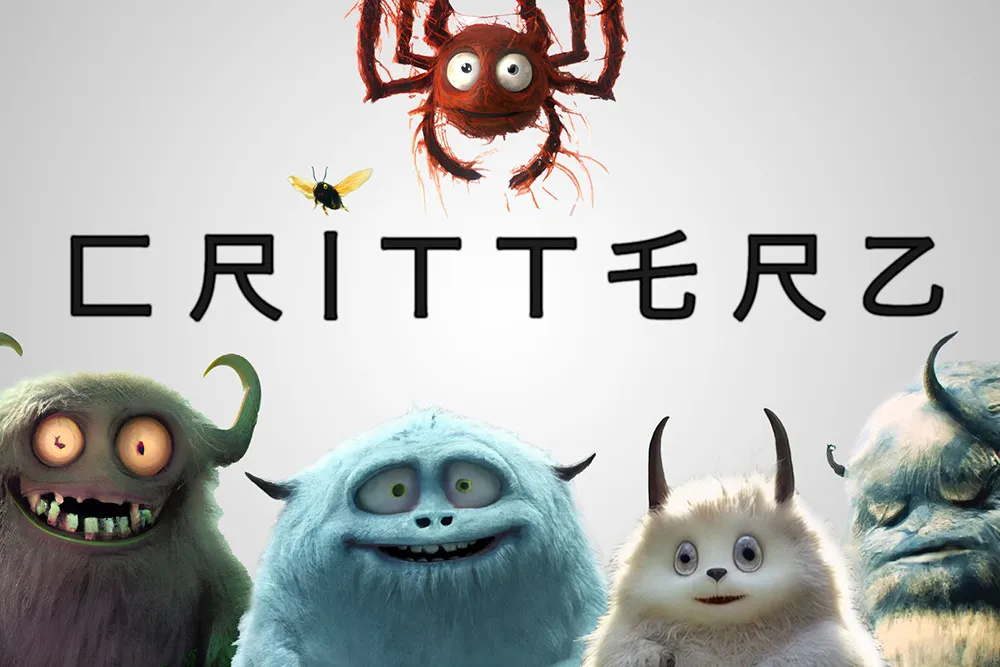
Nelson explained that his idea for the short film happened while messing around with the image generation tools on DALL-E, staying up for hours creating little critters that he fell in love with. This sparked his “revolutionary” idea to mix still, AI generated backgrounds along with the AI generated characters and real animation.
This soon became the short 5 minute experimental film, “Critterz.” The film was posted on YouTube, and received backlash not only for the use of AI in art, but for the lack of passion, energy, and effort. (One comment on YouTube keenly remarked, “Those are just slightly moving screenshots.”)
The film itself was a hard watch. The titular critters have that AI slop feel—they just don’t look quite… right. It is painfully obvious that no soul was behind the characters. The film only features one image of each character, almost like watching a slideshow.
One of the only enjoyable things about this short film was what the AI could not do. Nelson created background images and characters with AI, but actual human animators took and overlaid the characters on the background to animate the film, attempting to bring life to the AI—almost like a failed “Frankenstein” project.
After the outrage sparked by the short film died down, OpenAI decided that by 2026, they would turn this movie into a feature length film—with a budget of $30 million. It will be created with the intention of showing the film industry that AI can help produce more, for faster and cheaper.
While I don’t doubt AI will slowly start making its way into all forms of media we consume, it is something I am devastated about. Real artists and animators will be out of jobs because of things like this.
While it may seem like just one movie, one idea for now, the thought of this spreading is horrible. This takes away jobs, passion, and is completely unnecessary. This “film” is sloppy, a disappointment to the industry, and is a terrible way to blow $30 million.
